

What Is Biological and Holistic Dentistry? A Complete Guide
Biological dentistry treats the mouth as part of the whole body — exploring mercury-free materials, biocompatible approaches, and the mouth-body connection.

DentalHealth Team
Jan 29, 2026Updated Jun 30, 2026 7 min read
Overview
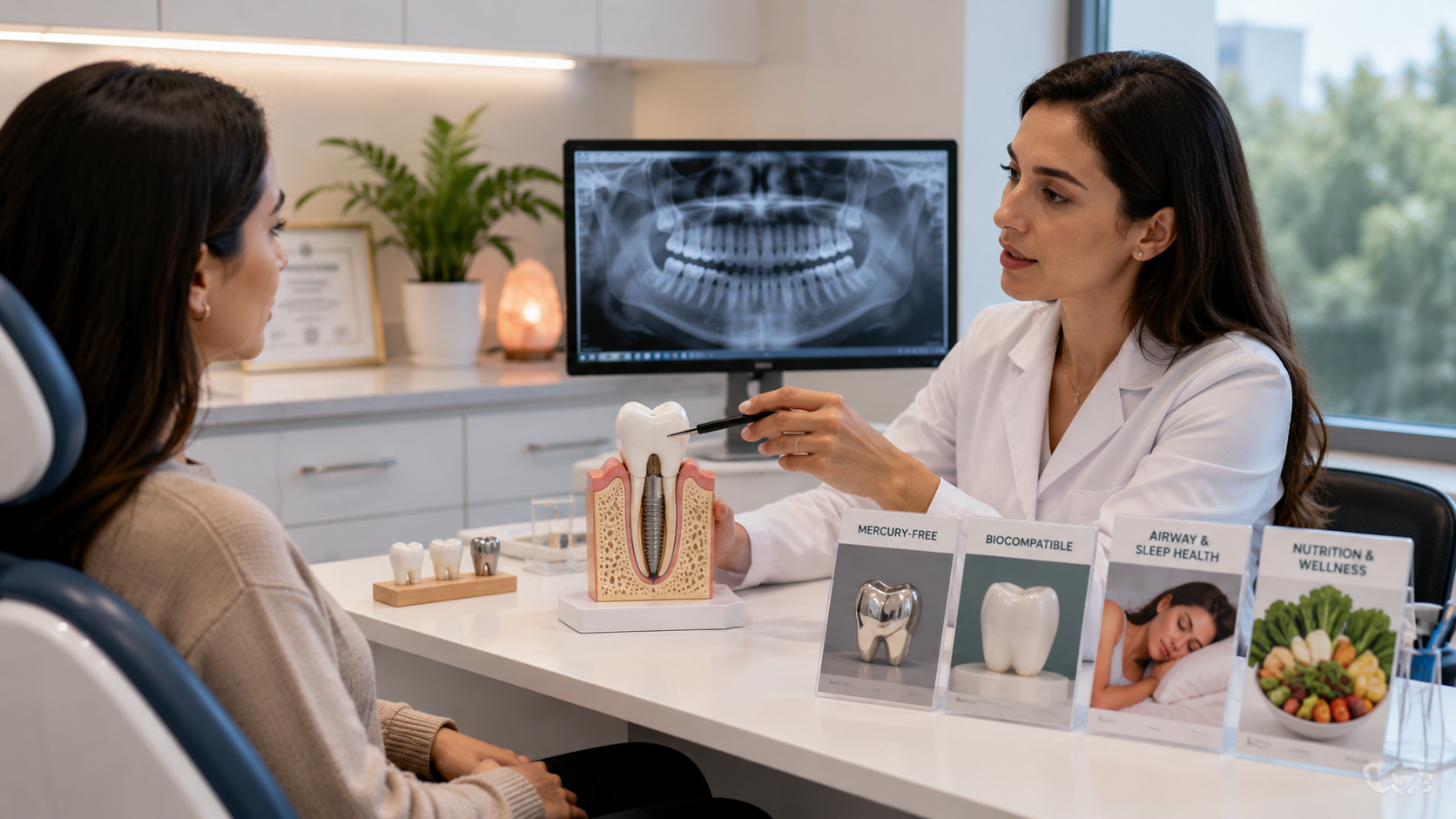
Biological dentistry, also referred to as holistic dentistry or biocompatible dentistry, is an approach to oral health care that considers the connection between the mouth and the rest of the body. Rather than treating teeth and gums in isolation, biological dentists aim to identify how oral conditions may influence systemic health, and they choose materials and techniques that minimise the risk of toxicity or immune reactions.
Interest in holistic dentistry has grown significantly as patients seek more natural and integrative approaches to health care. While it is not a formally recognised specialty under major dental associations, many general dentists incorporate biological principles into their practice.
How Biological Dentistry Differs from Conventional Dentistry
Conventional dentistry treats oral disease using established materials and techniques, including amalgam fillings, fluoride-based treatments, and standard anaesthetics. Biological dentistry applies a broader filter when selecting treatment options.
Key differences include an avoidance of or reduced reliance on amalgam fillings due to concerns about mercury content; a preference for biocompatible materials such as ceramic, zirconia, and composite resin; a focus on minimally invasive techniques that preserve as much natural tooth structure as possible; consideration of the potential systemic effects of dental treatments; and integration of nutrition, lifestyle, and overall wellness into oral health recommendations.
Core Principles of Holistic Dentistry
Mercury-Free Dentistry
One of the most prominent aspects of biological dentistry is the avoidance of dental amalgam. Traditional amalgam fillings contain approximately 50 percent mercury by weight. While mainstream dental organisations state that mercury in amalgam is stable and safe, biological dentists and some patients prefer to avoid it entirely. Mercury-safe practices include following strict protocols for the safe removal of existing amalgam fillings to minimise mercury vapour exposure, a process endorsed by the International Academy of Oral Medicine and Toxicology.
Biocompatible Materials
Holistic dentists test or select dental materials that are less likely to cause immune or toxic reactions. Zirconia implants, for example, are favoured by some biological dentists over titanium implants, particularly for patients with metal sensitivities. Ceramic crowns and tooth-coloured composite fillings are preferred over metal-based alternatives.
Airway and Sleep Health
Many holistic dentists assess the relationship between mouth structure, breathing patterns, and sleep health. They may screen for or refer patients with sleep apnea or airway issues related to jaw development, tongue posture, and teeth alignment. Myofunctional therapy and airway-focused orthodontics are sometimes incorporated into treatment.
Nutrition and Lifestyle Guidance
Holistic dental practices often extend beyond the clinic to provide dietary guidance on how food choices affect oral health. High-sugar diets, acidic beverages, and nutritional deficiencies in calcium, vitamin D, and magnesium are discussed in relation to tooth decay, gum disease, and jaw development.
Is Holistic Dentistry Evidence-Based?
Many principles of biological dentistry have a strong evidence base. The link between oral health and systemic conditions such as cardiovascular disease, diabetes, and preterm birth is well documented in peer-reviewed literature. Minimally invasive techniques and biocompatible materials are increasingly accepted in mainstream dentistry.
However, some claims made within the holistic dentistry space are not supported by robust clinical evidence. Patients are advised to approach these areas with informed scepticism and to seek practitioners who balance integrative principles with evidence-based practice.
Frequently Asked Questions
Is holistic dentistry safe?
When practised by a qualified dentist, holistic dentistry is generally safe. Core practices such as using biocompatible materials and minimally invasive techniques are well-established. Patients should research individual claims, particularly around amalgam removal protocols, and ensure the dentist follows accepted safety guidelines such as those from the IAOMT.
Should I have my amalgam fillings removed?
Routine removal of stable amalgam fillings solely to reduce mercury exposure is not recommended by mainstream dental or medical bodies. If a filling is worn, cracked, or needs replacement for dental reasons, replacement with a mercury-free alternative is reasonable.
Are zirconia implants better than titanium implants?
Titanium implants have decades of clinical evidence supporting their safety and success rates of over 95 percent. Zirconia implants are newer, offer metal-free placement, and are preferred by some patients with metal sensitivities. Both are viable options and the best choice depends on individual clinical circumstances.
Dental news for professionals, weekly.
Join dental professionals getting our weekly brief.
No spam. Just useful dental intelligence.
Need a dental consultation?
Send your question and we will route it to the right contact.